
Ben and Jerry Net Worth, Career Success Explain
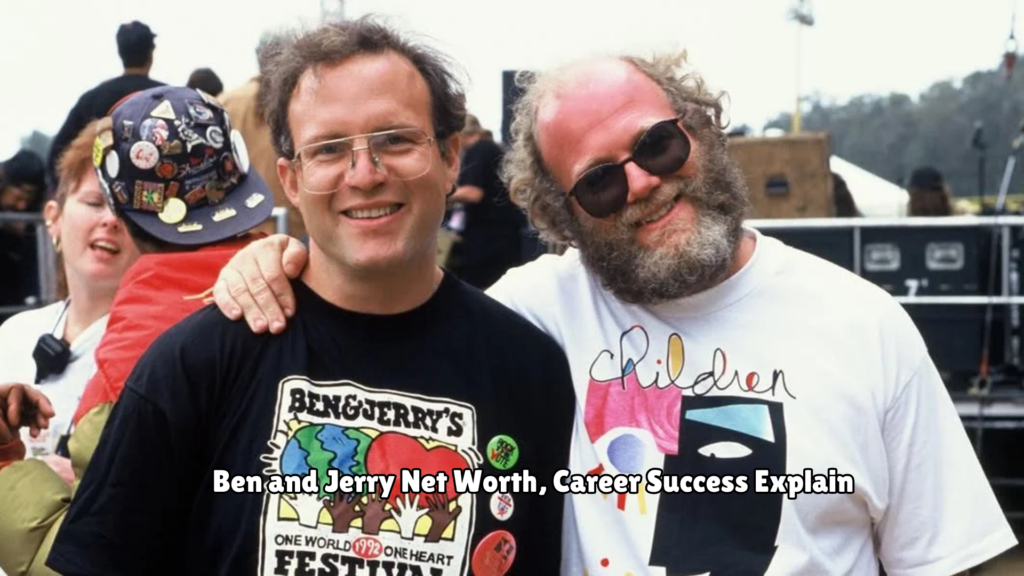
Ben & Jerry’s net worth today stems from humble beginnings in Burlington, Vermont. In 1978, childhood friends Ben Cohen and Jerry Greenfield opened their first ice cream parlor with just $12,000. Initially planning a bagel shop, they switched to ice cream after a $5 correspondence course from Pennsylvania State University taught them the basics of ice cream making. Cohen’s anosmia, a lack of sense of smell, inspired the brand’s iconic chunky texture, which became a hallmark of their flavors. Their first parlor quickly gained popularity, leading to the annual tradition of Free Cone Day and the start of what would become a billion-dollar brand.
Early Growth and Expansion
By the early 1980s, Ben & Jerry’s began expanding beyond their first Burlington, Vermont parlor. In 1980, they rented space in a former mill on South Champlain Street and started selling pints in grocery stores. Their first franchise opened in Shelburne, Vermont in 1981, marking the start of nationwide recognition. Popular flavors like Cherry Garcia and Chocolate Fudge Brownie helped establish the brand’s reputation for creative, indulgent ice cream. The Waterbury factory, opened in 1985, became the hub for production and public tours. These strategic moves laid the foundation for the company’s growth, significantly contributing to Ben and Jerry net worth over the decades.
Signature Flavors That Built the Brand
Ben & Jerry’s is celebrated for its inventive flavors, which played a key role in building Ben and Jerry net worth. Classics like Cherry Garcia, Half Baked, and Chunky Monkey became fan favorites, while special editions like Stephen Colbert’s AmeriCone Dream and Liz Lemon connected pop culture with indulgent ice cream. The company also embraced social messages through flavors such as Hubby Hubby, supporting same-sex marriage, and Pecan Resist, highlighting progressive causes. These creative offerings, combined with high-quality, Fairtrade-certified ingredients and signature chunks, helped the brand maintain a loyal customer base and expand globally.
Social Impact and Activism
Beyond ice cream, Ben & Jerry’s has made a lasting impact through social activism, which also reflects in Ben and Jerry net worth as a values-driven brand. In 1985, they established the Ben & Jerry’s Foundation, allocating 7.5% of pre-tax profits to community projects supporting social justice. The company has championed causes like climate change, LGBTQ+ rights, and fair trade, with campaigns such as “Save Our Swirled” raising awareness on global issues. Their progressive stance sometimes sparked controversy, but it reinforced their image as an ethical brand, combining profitability with activism, creating a loyal customer base worldwide.
Sale to Unilever and Corporate Changes
In 2000, Ben & Jerry’s was acquired by Unilever for $326 million, a move that significantly impacted Ben and Jerry net worth. The deal ensured the company maintained its social mission through an independent board, protecting progressive initiatives and charitable contributions. Both founders remained as brand ambassadors but stepped back from daily operations. Over the years, leadership changed hands multiple times, with CEOs like Matthew McCarthy and Jochanan Senf guiding the brand through global expansion. Despite corporate shifts, Ben & Jerry’s continued innovating flavors and advocating for social causes, balancing profitability with the ethical values established by Ben Cohen and Jerry Greenfield.
Financial Success and Net Worth
The rise of Ben & Jerry’s has translated into impressive personal wealth for its founders, directly influencing Ben and Jerry net worth. Jerry Greenfield is estimated to have a net worth of $100 million, while Ben Cohen holds a similar fortune. The company earns around $1 billion in annual revenue, with its global presence in over 40 countries boosting brand value. The 2000 sale to Unilever for $326 million further cemented their financial success. While the founders stepped back from management, their salaries as brand ambassadors and ongoing royalties contributed significantly, reflecting how a small ice cream parlor in Burlington grew into a global empire.

Signature Flavors and Innovations
Ben & Jerry’s is renowned for its inventive flavors, which have played a key role in boosting Ben and Jerry net worth. Iconic creations like Cherry Garcia, Half Baked, and Phish Food combine rich ingredients with playful names. The company also pioneered vegan and non-dairy lines, including Peanut Butter & Cookies and Chocolate Fudge Brownie, appealing to health-conscious and environmentally aware consumers. Limited-edition flavors often carry social messages, such as Pecan Resist, supporting progressive causes. These flavor innovations not only delight customers but reinforce the brand’s commitment to creativity, social impact, and sustainable practices, sustaining both its popularity and financial growth.
Social and Environmental Activism
A core part of Ben & Jerry’s identity is its commitment to social and environmental causes, which has indirectly strengthened Ben and Jerry net worth. The founders established the Ben & Jerry’s Foundation, donating 7.5% of pre-tax profits to progressive initiatives. Campaigns like “Save Our Swirled” and climate advocacy highlight their dedication to sustainability, while ethical sourcing from Fairtrade and cage-free farms ensures responsible production. Activism extends to social justice, including supporting LGBTQ+ rights and opposing exploitative labor practices. By combining business success with values-driven initiatives, Ben & Jerry’s maintains a loyal customer base and a global reputation for both quality ice cream and purposeful action.
Challenges and Controversies
Despite their success, Ben & Jerry’s has faced challenges impacting Ben and Jerry net worth and public perception. The 2000 acquisition by Unilever sparked concerns about maintaining the brand’s independence and social mission. Disputes over Israeli settlements and the firing of CEO David Stever highlighted tensions between corporate control and activist values. Product controversies, such as flavor names or cultural sensitivity issues, also attracted public criticism. Yet, these challenges often reinforced the company’s commitment to transparency and social responsibility, helping maintain customer trust. Navigating controversies while staying true to its mission has been crucial for sustaining both its reputation and financial growth.
Legacy and Cultural Impact
The legacy of Ben & Jerry’s extends far beyond ice cream, contributing to both culinary innovation and social activism, which has helped shape Ben and Jerry net worth. Their pioneering flavors, such as Cherry Garcia and Chunky Monkey, set industry trends, while initiatives like Free Cone Day built a loyal global following. The brand’s commitment to social causes,ranging from climate activism to LGBTQ+ rights,has made it a cultural icon. Ben Cohen and Jerry Greenfield inspired a new generation of entrepreneurs to balance profit with purpose, proving that business success can coexist with meaningful social impact.
Conclusion
Ben and Jerry net worth reflects not just financial success but a legacy of innovation, activism, and social responsibility. From a small ice cream parlor in Burlington, Vermont, to a global brand under The Magnum Ice Cream Company, Ben Cohen and Jerry Greenfield have shown that business can be a force for good. Their iconic flavors, commitment to social causes, and pioneering approach to sustainable and ethical practices have made Ben & Jerry’s more than a dessert brand,it’s a cultural phenomenon. Fans worldwide continue to enjoy their ice cream while supporting a company that values both quality and conscience.
FAQs
Ben and Jerry net worth is estimated at around $100 million for Jerry Greenfield and a similar figure for Ben Cohen. Their wealth comes from co-founding Ben & Jerry’s, now a global ice cream brand sold in over 40 countries.
Ben & Jerry’s grew from a single shop in Burlington, Vermont into a worldwide brand by offering unique flavors like Cherry Garcia and Half Baked, combined with strong social activism and marketing innovation.
In 2000, Ben & Jerry’s was acquired by Unilever for $326 million, with both founders remaining as brand ambassadors while maintaining the company’s social mission.
Fans love flavors like Chocolate Fudge Brownie, Chunky Monkey, and celebrity-inspired options such as Stephen Colbert’s AmeriCone Dream. Non-dairy and vegan flavors have also become highly popular.
Through the Ben & Jerry’s Foundation, the founders fund social justice initiatives, environmental campaigns, and progressive causes, dedicating 7.5% of pre-tax profits to philanthropy.
After their resignation in 2025, Ben Cohen and Jerry Greenfield no longer hold operational roles but continue to influence social and ethical discussions around the brand.
Ben & Jerry’s is known for unique mix-ins, creative flavor names, and strong ethical commitments, including Fairtrade ingredients, GMO-free products, and advocacy for social justice, which also contributes to the founders’ Ben and Jerry net worth.


