
The pace of technological change is accelerating faster than ever, and 2026 is set to become a pivotal year for the global tech ecosystem. Once experimental technologies are now reaching maturity, while innovations are emerging to redefine how businesses operate and how people interact with digital systems. This is why technology trends 2026 has become one of the most searched topics among professionals, investors, and everyday users alike.
Unlike previous years driven by hype, the trends shaping 2026 are rooted in real adoption, scalability, and measurable impact. From intelligent automation and data-driven platforms to immersive experiences and decentralized systems, these future tech trends are not isolated developments. They work together to fuel large-scale digital transformation across industries. This article explores the most important technology trends expected to define 2026. Rather than speculation, it focuses on practical tech predictions, long-term innovation trends, and the technologies forming the foundation of the next tech era.
Artificial Intelligence Becomes Embedded:
Artificial intelligence is no longer a standalone tool; it is becoming an embedded layer across almost all digital systems. In 2026, AI will move beyond specialized applications and integrate deeply into software platforms, devices, and infrastructure. This shift marks one of the most significant future tech trends of the decade.
Businesses are using AI to automate workflows, personalize user experiences, and optimize decision-making in real time. AI models are increasingly built directly into applications rather than added as separate features. This reduces complexity while improving speed and efficiency, making AI a default capability rather than a premium add-on. In consumer technology, AI enhances search, recommendations, voice interaction, and device intelligence. In enterprise environments, it supports analytics, fraud detection, supply chain optimization, and customer service automation. These innovation trends indicate that AI in 2026 is less about experimentation and more about operational value.
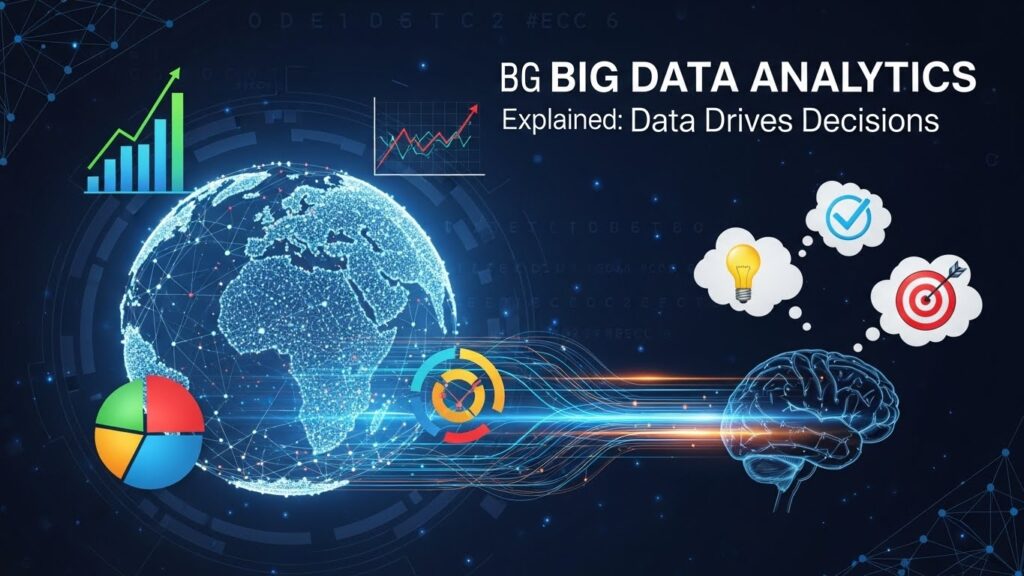
Automation and Intelligent Workflows Redefine Productivity
Automation continues to evolve beyond basic rule-based processes. In 2026, intelligent automation combines AI, data analytics, and workflow orchestration to handle complex tasks with minimal human input. This shift is transforming productivity across industries and accelerating digital transformation. Organizations are automating repetitive tasks, decision approvals, and system monitoring, freeing human teams to focus on strategy and creativity. Intelligent workflows adapt dynamically, learning from outcomes and improving performance over time. This adaptability makes automation one of the most impactful technology trends for 2026. Rather than replacing workers, automation reshapes roles. Teams become supervisors of intelligent systems, focusing on oversight, improvement, and ethical use. This balance between automation and human judgment is a defining feature of the next tech phase.
Data-Centric Architecture Drives Smarter Systems
Data remains the backbone of modern technology, but how it’s used is changing. In 2026, organizations are shifting toward data-centric architectures that prioritize accessibility, real-time processing, and insight generation. This evolution supports faster and more accurate data-driven decisions.
Advanced analytics platforms now process structured and unstructured data at scale, enabling predictive and prescriptive insights. Real-time data pipelines support instant responses in areas like cybersecurity, logistics, and digital services. This shift aligns with long-term tech predictions that emphasize intelligence over raw data collection. Data governance and quality are also gaining importance. As systems rely more heavily on data, ensuring accuracy, security, and compliance becomes critical. These developments highlight why analytics and data infrastructure remain central innovation trends for 2026.
Extended Reality Moves Beyond Entertainment
Extended reality, including augmented, virtual, and mixed reality, is transitioning from entertainment into practical applications. In 2026, XR technologies will be used for training, collaboration, design, and simulation across industries.
Organizations use immersive environments for employee training, reducing costs and improving retention. Engineers and designers visualize complex systems in 3D, while remote teams collaborate in shared virtual spaces. These use cases position XR as a serious contributor to digital transformation, not just a novelty. As hardware becomes lighter and software more accessible, XR will integrate more naturally into workflows. This evolution supports broader future tech trends focused on intuitive, human-centered interaction rather than screen-based interfaces.
Advanced Connectivity Enables Real-Time Digital Ecosystems
Connectivity is evolving beyond speed. In 2026, advanced networks support massive device density, ultra-low latency, and reliable real-time communication. These capabilities enable entire digital ecosystems to function seamlessly.
High-performance networks support smart cities, connected vehicles, industrial automation, and immersive experiences. They also allow computing to move closer to where data is generated, reducing delays and improving responsiveness. This infrastructure is foundational to the next tech wave. Advanced connectivity is not just about faster internet; it’s about enabling systems to react, adapt, and collaborate instantly. This shift underpins many technology trends 2026, making connectivity an invisible but essential enabler.
Cybersecurity Becomes Proactive and Predictive
As digital systems grow more complex, cybersecurity must evolve accordingly. In 2026, security strategies focus on prevention and prediction rather than reaction. AI-driven monitoring systems detect anomalies before breaches occur, reducing risk and downtime.
Security is increasingly embedded into development processes rather than added after deployment. This approach supports safer innovation and aligns with ongoing digital transformation efforts. Organizations view cybersecurity as a strategic function, not just a technical requirement. With growing data usage and automation, trust becomes a competitive advantage. Proactive cybersecurity is one of the most critical innovation trends shaping technology adoption in 2026.
Decentralized Systems Gain Practical Adoption
Decentralized technologies are moving beyond theory into real-world applications. In 2026, decentralized systems are used for identity management, data sharing, and transparent record-keeping. These technologies reduce reliance on central authorities while improving trust and resilience.
Decentralization supports user control over data and assets, aligning with broader future tech trends focused on privacy and transparency. While not suitable for every use case, decentralized models are gaining traction where trust and verification are critical. This shift reflects mature tech predictions; decentralization is no longer experimental but selectively applied where it delivers clear value.
Sustainable Technology Becomes a Priority
Sustainability is no longer optional in technology planning. In 2026, energy efficiency, resource optimization, and environmental impact influence technology design and deployment decisions. Organizations are adopting greener infrastructure and optimizing systems to reduce consumption.
Sustainable technology aligns closely with innovation trends focused on long-term value rather than short-term gains. From efficient data centers to smarter devices, sustainability is shaping the next tech era. Technology leaders increasingly view sustainability as both a responsibility and a competitive advantage, reinforcing its role among key technology trends 2026.
Conclusion:
The technology trends 2026 outlined above reveal a clear direction: technology is becoming more intelligent, interconnected, and embedded into everyday systems. Rather than isolated breakthroughs, progress comes from the convergence of AI, automation, data, connectivity, and immersive experiences.
These future tech trends are accelerating digital transformation, reshaping industries, and redefining how value is created. Organizations and individuals who understand these shifts will be better positioned to adapt, innovate, and thrive in the evolving tech landscape. The future of technology is not about chasing hype; it’s about building systems that are smarter, more resilient, and more human-centered. 2026 marks a turning point where innovation becomes sustainable, scalable, and deeply integrated into the fabric of modern life.
FAQs:
What are the biggest technology trends in 2026?
AI integration, automation, advanced connectivity, data-driven systems, and cybersecurity innovation lead technology trends in 2026.
Why are technology trends 2026 important for businesses?
They guide strategic planning, investment decisions, and long-term competitiveness in a rapidly changing digital environment.
How does digital transformation relate to future tech trends?
Future tech trends enable digital transformation by modernizing systems, workflows, and customer experiences.
Is AI the most important trend in 2026?
AI is a core enabler, but its impact is amplified when combined with automation, data analytics, and connectivity.
What is the next tech after current innovations?
The next tech phase focuses on integrated ecosystems rather than standalone tools.


