
National Insurance Calculator vs HMRC NI Tables: Which Is Easier?
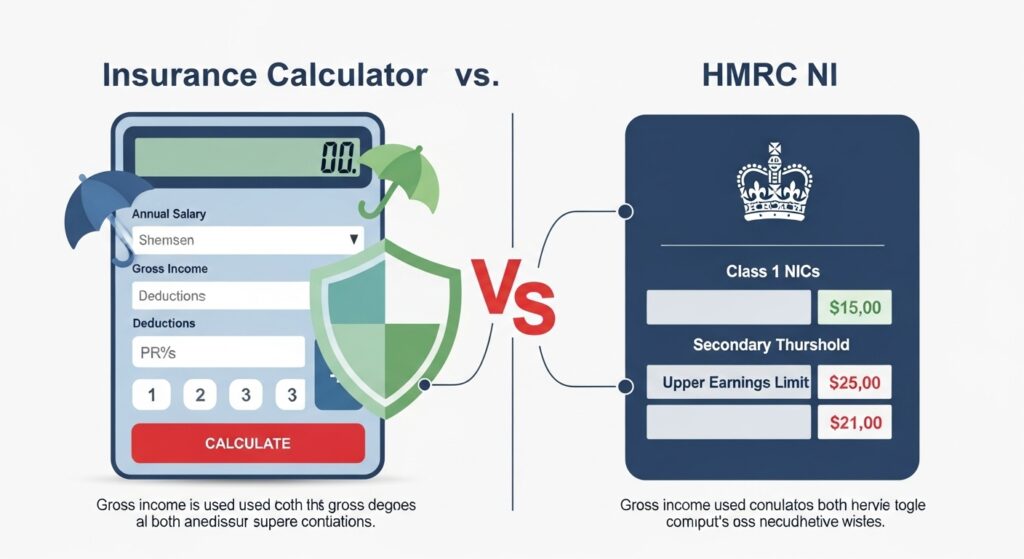
Understanding National Insurance Insurance Calculator vs HMRC NI is an essential part of managing your finances in the UK, whether you are an employee, employer, or self-employed. Traditionally, calculating NI payments has relied on HMRC’s official National Insurance tables, which provide detailed information on contribution rates, thresholds, and classes. While these tables are accurate and comprehensive, they can be complicated and time-consuming for anyone unfamiliar with the system. Modern tools, such as a National Insurance Calculator, offer a simpler alternative.
These calculators allow you to quickly estimate your contributions based on your income, employment status, and other factors. By inputting your earnings and selecting the relevant NI class, you can instantly see how much you owe and explore different scenarios, saving both time and effort. This blog will compare the traditional HMRC NI tables with a NICalculator, highlighting the pros and cons of each method. By the end, you’ll understand which approach is easier, more efficient, and suitable for your needs. Start exploring how these tools can simplify your NI calculations at Fincalc.uk.
Understanding HMRC National Insurance Tables
HMRC National Insurance (NI) tables are the official reference used to calculate contributions for employees and employers in the UK. They provide detailed information on how much National Insurance should be deducted from wages based on income levels, NI classes, and contribution thresholds. These tables are updated regularly to reflect changes in rates and thresholds, ensuring that contributions are accurate and compliant with current regulations. Employees typically use Class 1 tables, while employers refer to employer tables for the additional contributions they must make. Self-employed individuals rely on Class 2 and Class 4 tables to determine their weekly and profit-based contributions.
HMRC tables are comprehensive and reliable, but they can be challenging to navigate, especially for those unfamiliar with NI classes, thresholds, and the complex calculations required. A National Insurance Calculator offers a simpler alternative. By entering your income and employment type, the calculator instantly determines your contributions without manually referencing HMRC tables. This makes it easier to plan your finances, compare scenarios, and avoid errors in calculations, especially for those who want a faster and more user-friendly solution.
What is a National Insurance Calculator?
This is an online tool designed to simplify the process of calculating your National Insurance contributions. Unlike traditional HMRC tables, which require manual lookup and calculations, a calculator provides instant results based on your income, employment type, and Insurance Calculator vs HMRC NI class. This makes it an ideal solution for employees, employers, and self-employed individuals who want a quick and accurate estimate of their contributions. With this Calculator, you simply enter your earnings, select the appropriate NI class, and the tool automatically calculates how much you owe.
Many calculators also allow you to model different income scenarios, helping you see the impact of salary changes, bonuses, or additional income streams on your NI contributions. The tool is particularly useful for those who are unfamiliar with NI tables, want to save time, or need to plan their finances more effectively. By providing a clear and easy-to-read breakdown of contributions, this Calculator helps ensure accuracy, avoid errors, and makes managing your NI obligations much simpler.
Key Differences Between a Calculator and HMRC Tables
Feature/Aspect | HMRC NI Tables | National Insurance Calculator |
Usability | Requires manual lookup and understanding of thresholds and classes; can be confusing for beginners | User-friendly; enter income and employment type for instant results |
Speed & Efficiency | Time-consuming, especially for multiple income scenarios | Provides immediate calculations and allows quick scenario comparisons |
Accuracy & Flexibility | Accurate and official, but difficult to model different income scenarios | Accurate and flexible; easily models different incomes, bonuses, or self-employment profits |
Accessibility | May require downloading PDFs or printed documents | Accessible online anytime from any device |
Best For | Official reference and verification purposes | Fast planning, scenario analysis, and easier financial forecasting |
Pros and Cons of Each Method
Method | Pros | Cons |
HMRC NI Tables | – Official and authoritative, compliant with HMRC rules – Detailed breakdowns for all income ranges and NI classes – Useful for employers handling payroll | – Complex and time-consuming for beginners – Not ideal for quick “what-if” scenarios – Requires manual calculations, increasing risk of errors |
National Insurance Calculator | – Simple and fast; needs only income and employment type – Flexible for testing multiple scenarios – Great for self-employed and individuals planning finances | – May not show the same depth of detail as HMRC tables – Accuracy depends on the reliability of the calculator tool |
How to Use a National Insurance Calculator Effectively?
This Calculator is only as accurate as the information you provide, so using it correctly is essential. Start by entering your gross annual or monthly income; this is your earnings before tax and deductions. Next, select your employment type (employee, employer, or self-employed) and the correct NI class applicable to your situation. If you’re self-employed, make sure to include both Class 2 and Class 4 contributions, as these are calculated differently.
Some calculators also allow you to test different income scenarios, such as pay rises, bonuses, or side earnings. Use this feature to forecast how changes in income will impact your NI contributions. Finally, always cross-check the calculator’s results with official guidance to ensure accuracy. By doing so, you’ll use this Calculator not just for quick estimates, but as a tool for smarter financial planning.
Conclusion
Insurance Calculator vs HMRC NI contributions can feel overwhelming, but choosing the right method makes all the difference. HMRC NI tables are official, detailed, and accurate, yet they can be difficult for individuals to navigate and time-consuming for everyday use. A National Insurance Calculator, on the other hand, offers speed, simplicity, and flexibility, helping you instantly estimate contributions and plan for different financial scenarios.
For most employees and self-employed individuals, using a calculator is the easier and more practical choice, while HMRC tables remain a valuable official reference. To simplify your own NI planning, try the Fincalc. UK National Insurance Calculator today.
FAQs
What are HMRC National Insurance tables?
They are official reference documents from HMRC that detail contribution rates, thresholds, and NI classes for employees, employers, and the self-employed.
What is a National Insurance Calculator?
It’s an online tool that quickly estimates NI contributions based on income, employment type, and NI class.
Which is more accurate: HMRC tables or a calculator?
HMRC tables are the official source, but a reliable National Insurance Calculator uses the same data to deliver accurate, easy-to-understand results.
Can a calculator replace HMRC tables?
Yes, for most individuals and self-employed workers. Employers managing payroll may still rely on HMRC tables for official reference.
Who benefits most from using a calculator?
Employees, freelancers, and self-employed individuals who want quick, accurate NI estimates and financial planning support.